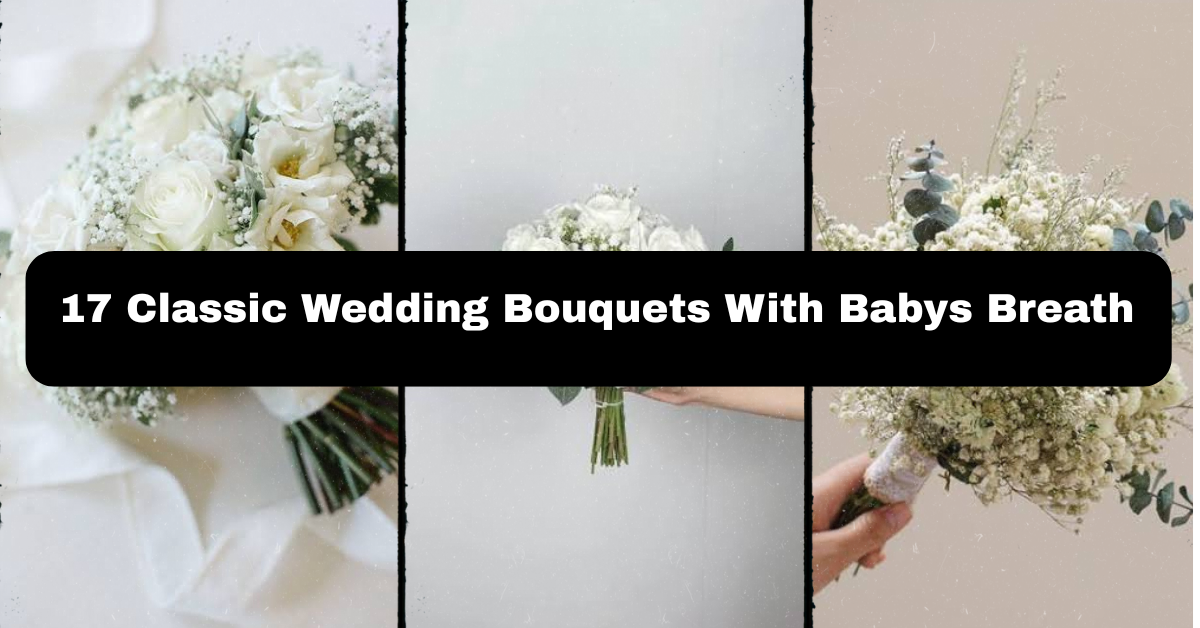
17 Classic Wedding Bouquets With Baby’s Breath: The Complete Bridal Guide
If you’ve been scrolling through wedding boards trying to find the perfect wedding bouquets with baby’s breath, you’re in good hands here. I’ve spent years digging through bridal florals, talking to florists, and watching trends come and go, and I know exactly what makes a baby’s breath bouquet look intentional instead of like an afterthought.
So what makes a great wedding bouquet with baby’s breath? The best ones pair fluffy gypsophila with a clear focal flower or ribbon wrap, use a defined shape (round, cascade, or hand-tied), and match the bouquet’s density to the bride’s dress silhouette so nothing competes for attention.
Stick around, because I’m not just listing pretty pictures. I’ll break down which style fits your body type, your venue, your season, and even how it holds up during six hours of dancing.
Why Baby’s Breath Deserves the Spotlight (Not Just a Filler Role)
Ever notice how baby’s breath used to be the flower nobody asked for? It got tossed into arrangements as filler and nothing more. That’s changed completely. Brides now build entire bouquets around gypsophila because it’s soft, romantic, and honestly, budget-friendly compared to peonies or garden roses. It also holds up better in heat and travels well, which matters if you’re getting married outdoors or somewhere far from home. Below, I’m walking through 17 distinct bouquet styles, each with its own vibe, so you can figure out which one matches your dress, your season, and your personality.
1. The Classic Round Pavé Baby’s Breath Bouquet
This is the bouquet everyone pictures when they hear “baby’s breath wedding bouquet.” Every stem is trimmed tight and packed into a dense, cloud-like sphere with zero visible gaps. It suits brides with A-line, ballgown, or fit-and-flare dresses because the round shape balances a fuller skirt without stealing focus. This style works beautifully for a garden wedding, a spring ceremony, or a minimalist ballroom reception. Wrap the stems in ivory satin ribbon with a few pearl pins for texture. Practical tip: mist it lightly an hour before photos since dense pavé bouquets dry out faster in direct sun. The overall vibe? Clean, romantic, and timeless.
Now, if that feels almost too simple for you, the next one adds a little drama.
2. Cascading Baby’s Breath and Rose Bouquet
This one trails downward instead of sitting in a tight ball, mixing baby’s breath with garden roses or spray roses for a waterfall effect. It’s a strong match for tall brides or anyone in a sleek mermaid or trumpet gown, since the cascade elongates the silhouette even more. Ballroom weddings and formal cathedral ceremonies love this style. The fabric texture here is all about contrast: soft gypsophila against velvety rose petals. Keep the cascade length under 18 inches if you’re walking a long aisle solo, so it doesn’t drag or catch on your train. This bouquet reads elegant and a little old-Hollywood.
Let’s dial the romance down a notch and go rustic instead.
3. Boho Baby’s Breath and Eucalyptus Bouquet
Loose, wild, and undone on purpose — this bouquet mixes trailing eucalyptus with airy baby’s breath and skips the tight wrap entirely. It’s perfect for petite brides who don’t want a bouquet overwhelming their frame, and it’s a natural fit for beach weddings, backyard ceremonies, or a laid-back sangeet where you want something less formal. Wrap the stems in jute twine or a strip of raw silk for that earthy touch. Practical tip: eucalyptus releases a light scent when handled, which is a nice bonus during long photo sessions. The whole look feels effortless, like you just picked it from a meadow.
If boho isn’t your thing, vintage might be.
4. Vintage-Inspired Baby’s Breath and Peony Bouquet
Soft, blush-toned peonies nestled into a cloud of baby’s breath give off major heirloom energy. This pairing suits brides wearing lace, illusion necklines, or anything with a Victorian or Edwardian influence. It’s gorgeous for spring or early summer weddings, especially in a garden or estate venue. Wrap the stems in antique lace or a satin ribbon with a brooch pinned at the center for that grandmother’s-jewelry-box feel. One thing to watch: peonies are heavy and can wilt fast in heat, so keep this bouquet in water until right before the ceremony. This one feels nostalgic, soft, and quietly luxurious.
Now let’s talk about a color that’s having a major moment.
5. Blush Pink Rose and Baby’s Breath Hand-Tied Bouquet

Hand-tied bouquets look like they were gathered straight from the garden, stems visible and wrapped simply at the base. Pairing blush roses with baby’s breath softens the whole arrangement and works for almost every body type since it’s neither too round nor too structured. This style shines at engagement shoots, bridal showers, and outdoor ceremonies alike. The fabric pairing is simple: matte rose petals against fluffy white blooms. Wrap the stems in a satin ribbon that matches your bridesmaids’ dresses for cohesion. Practical tip: hand-tied bouquets are lighter, so they’re easier to hold through a long reception or first dance. The vibe is fresh, garden-party romantic.
For brides who want longevity over freshness, here’s an option worth considering.
6. Dried Baby’s Breath Bouquet
Dried gypsophila bouquets have taken off, and for good reason. They don’t wilt, they don’t need water, and you can keep them forever afterward. This style fits boho, rustic, or minimalist brides and works especially well for fall or winter weddings where fresh blooms are pricier and harder to source. The texture is papery and slightly stiff compared to fresh flowers, so pair it with a soft ribbon wrap to balance the feel. Practical tip: dried bouquets are noticeably lighter, which is a relief if you’re already holding a heavy dress train. This bouquet feels sentimental, since you can preserve it as a keepsake for years.
Speaking of texture play, let’s look at a bouquet built entirely around contrast.
7. Baby’s Breath and White Ranunculus Bouquet
Ranunculus have these tight, ruffled petals that look almost like tiny roses, and paired with baby’s breath, they create serious textural interest without adding bold color. This bouquet suits brides in sleek, minimal gowns who still want some visual complexity in their florals. It’s a strong choice for winter weddings or all-white color palettes. Wrap the stems in white silk ribbon with a single strand of pearls woven through for extra shine. Practical tip: ranunculus are delicate, so ask your florist to reinforce the stems with floral wire if you’re doing an outdoor ceremony with any wind. The overall feeling is soft, refined, and quietly glamorous.
Now, for brides who want maximum drama with minimal effort.
8. Loose Wildflower and Baby’s Breath Bouquet
This bouquet mixes baby’s breath with seasonal wildflowers like queen anne’s lace, cornflower, or daisies for a carefree, just-picked look. It’s ideal for outdoor weddings, especially in summer, and works well for brides who want something less formal for a mehndi or sangeet event too. The silhouette is loose and asymmetrical rather than round or structured. Tie it with raffia or a strip of linen fabric instead of satin for a rustic finish. Practical tip: wildflowers droop faster than roses, so this bouquet is best made the morning of the wedding, not the day before. It gives off warm, sun-soaked, countryside vibes.
If wildflowers feel too casual, lavender brings a similar softness with more polish.
9. Baby’s Breath and Lavender Bouquet

The pairing of baby’s breath with dried or fresh lavender creates a dreamy, lightly fragrant bouquet with a soft purple-and-white palette. This works beautifully for brides who love a French countryside or Provence-inspired wedding, and it’s a natural fit for both spring garden ceremonies and rustic barn receptions. The scent alone makes it memorable, something most bouquets can’t offer. Wrap the stems in a muted sage or lilac ribbon to keep the color story cohesive. Practical tip: lavender can stain light fabrics if crushed, so be mindful when holding it against a white gown during photos. This bouquet feels calming, romantic, and a little unexpected.
Let’s simplify things even further with a minimalist option.
10. Minimalist Single-Variety Baby’s Breath Bouquet
Sometimes less really is more. This bouquet skips any focal flower entirely and uses baby’s breath as the star, trimmed into a loose, cloud-like shape rather than a tight pavé. It’s a favorite among brides wearing heavily embellished or beaded gowns who don’t want the bouquet competing with the dress detail. This style suits modern venues, minimalist chapels, and city hall ceremonies especially well. Wrap it in a thin satin ribbon in your dress’s exact shade of white or ivory. Practical tip: because it’s so light, it’s a great choice if you’re also holding a clutch or need a free hand for a long reception. The vibe is understated, modern, and quietly confident.
For the reception, though, you might want something smaller and more playful.
11. Mini Baby’s Breath Toss Bouquet
Every bride needs a toss bouquet, and a mini all-baby’s-breath version is both practical and pretty. It’s a smaller, lighter replica of your main bouquet, made specifically for the bouquet toss at your reception or after-party. This works for literally any body type since it’s meant to be thrown, not carried through your whole day. Wrap it simply in a coordinating ribbon so it matches your main florals in photos. Practical tip: ask your florist to make this ahead of time and keep it in water backstage so it’s fresh for the toss later in the evening. It keeps the tradition alive without sacrificing your real bouquet.
Now let’s look at a bouquet built for brides who love a pop of unexpected color.
12. Baby’s Breath and Anemone Bouquet
Anemones have that striking black center surrounded by white or deep red petals, and against baby’s breath, they create serious visual contrast. This bouquet suits fashion-forward brides in modern silhouettes, especially column or sheath dresses. It’s a gorgeous option for fall weddings or moody, editorial-style ceremonies. The texture pairing is delicate anemone petals against fluffy gypsophila, so keep the wrap simple, maybe black velvet ribbon for contrast. Practical tip: anemones are sensitive to heat, so this bouquet is better suited to cooler months or air-conditioned indoor venues. The overall feeling is bold, artistic, and a little edgy.
If you want that same drama but in softer tones, dyed baby’s breath is worth a look.
13. Colored or Dyed Baby’s Breath Bouquet
Florists can now dye baby’s breath in nearly any shade, from dusty rose to deep burgundy to pastel blue. This is a fun option for brides who want their bouquet to match a specific color palette exactly, especially for themed weddings or bold color-block receptions. It works for engagement shoots and bridal showers too, where you might want something more colorful than traditional white. Wrap the stems in a ribbon that either matches or contrasts intentionally with the dye color. Practical tip: ask to see a sample swatch beforehand since dye batches can vary slightly. This bouquet feels playful, custom, and totally unique to you.
For brides chasing texture over color, dahlias bring something different entirely.
14. Baby’s Breath and Dahlia Bouquet
Dahlias have this layered, geometric petal structure that looks almost sculptural next to airy baby’s breath. This combination suits brides who want a bouquet with real presence but still soft edges, and it’s especially striking for fall weddings when dahlias are in peak season. The silhouette leans slightly asymmetrical rather than perfectly round, giving it a more organic feel. Wrap the stems in a deep rust or terracotta ribbon to complement autumn tones. Practical tip: dahlias bruise easily, so ask your florist to handle them last when assembling the bouquet to avoid petal damage before your ceremony. This one feels grounded, textural, and quietly striking.
Now, let’s talk about the bouquet made for brides who want it all — height, drape, and fullness.
15. Baby’s Breath and Trailing Greenery Cascade
This bouquet combines a full baby’s breath base with trailing greenery like ivy, fern, or smilax vine cascading well below the hand. It’s a dramatic choice best suited for tall brides or those in ballgowns with long trains, since the proportions match. Cathedral weddings, estate venues, and formal evening ceremonies are the sweet spot for this style. Wrap the stems in a wide satin ribbon with the trailing greenery left loose and natural. Practical tip: have someone in your bridal party carry a small mister backstage to keep the greenery from wilting under venue lighting. The vibe here is grand, romantic, and unmistakably bridal.
Let’s shift gears now to something worn, not just carried.
16. Baby’s Breath Flower Crown With Matching Mini Bouquet
Pairing a delicate baby’s breath crown with a small matching hand bouquet creates a cohesive, whimsical look, especially popular for mehndi ceremonies, bridal showers, or boho-themed weddings. This works for brides who want florals in their hair without a full veil, and it photographs beautifully for engagement shoots too. The crown should be lightweight, wired carefully so it doesn’t slip during dancing. Practical tip: have your florist make the crown a size slightly larger than needed since hairstyles often add volume underneath. This look feels youthful, soft, and effortlessly pretty.
Finally, let’s end with a bouquet that blends nearly every technique we’ve covered.
17. Textured Baby’s Breath and Garden Rose Bouquet
This bouquet layers garden roses, baby’s breath, and a touch of greenery for maximum texture without looking busy. It’s versatile enough for almost any body type and dress silhouette, which makes it a safe, elegant choice if you’re torn between styles. It suits ballroom receptions, garden ceremonies, and even destination weddings since garden roses travel reasonably well when kept cool. Wrap the stems in ivory silk with a small vintage brooch tucked into the ribbon. Practical tip: ask your florist to size the bouquet slightly smaller than you think you need — garden roses and baby’s breath both fluff up once fully bloomed. This bouquet feels classic, layered, and endlessly romantic.
Bouquet Style Comparison Table
| Bouquet Style | Best Dress Silhouette | Best Season | Difficulty/DIY Time | Estimated Cost Range |
|---|---|---|---|---|
| Classic Round Pavé | A-line, ballgown | Year-round | Moderate (2-3 hrs) | $$ |
| Cascading Rose | Mermaid, trumpet | Fall, winter | High (4+ hrs) | $$$ |
| Boho Eucalyptus | Sheath, column | Summer | Low (1 hr) | $ |
| Vintage Peony | Lace, illusion | Spring | Moderate (2-3 hrs) | $$$ |
| Dried Gypsophila | Boho, minimalist | Fall, winter | Low (1 hr) | $ |
| Wildflower Loose | Any casual style | Summer | Low (1 hr) | $ |
| Garden Rose Textured | Ballgown, A-line | Year-round | Moderate (2-3 hrs) | $$ |
Fresh vs. Dried Baby’s Breath: Quick Reference
- Fresh baby’s breath — softer texture, needs water tubes, lasts 1-2 days out of water, better for humid or cool venues.
- Dried baby’s breath — stiffer texture, no water needed, lasts indefinitely, better for hot outdoor or destination weddings, doubles as a keepsake.
- Dyed baby’s breath — customizable color, moderate lifespan similar to fresh, best for themed or colorful weddings.
Posy vs. Cascade vs. Hand-Tied: Quick Reference
- Posy bouquet — round, compact, easiest to carry through a full day of events.
- Cascade bouquet — trailing, dramatic, best for formal or cathedral-style ceremonies.
- Hand-tied bouquet — loose, natural-looking, visible stems, great for garden or rustic weddings.
Wrapping It Up
Choosing among these wedding bouquets with baby’s breath really comes down to matching the bouquet’s shape and density to your dress, your venue, and honestly, how you want to feel walking down the aisle. Whether you go full pavé, loose and wild, or dried for keeps, baby’s breath gives you options that fresh peonies or garden roses simply can’t match on flexibility and budget.
At the end of the day, the best wedding bouquets with baby’s breath are the ones that feel like you — not just what’s trending this season.