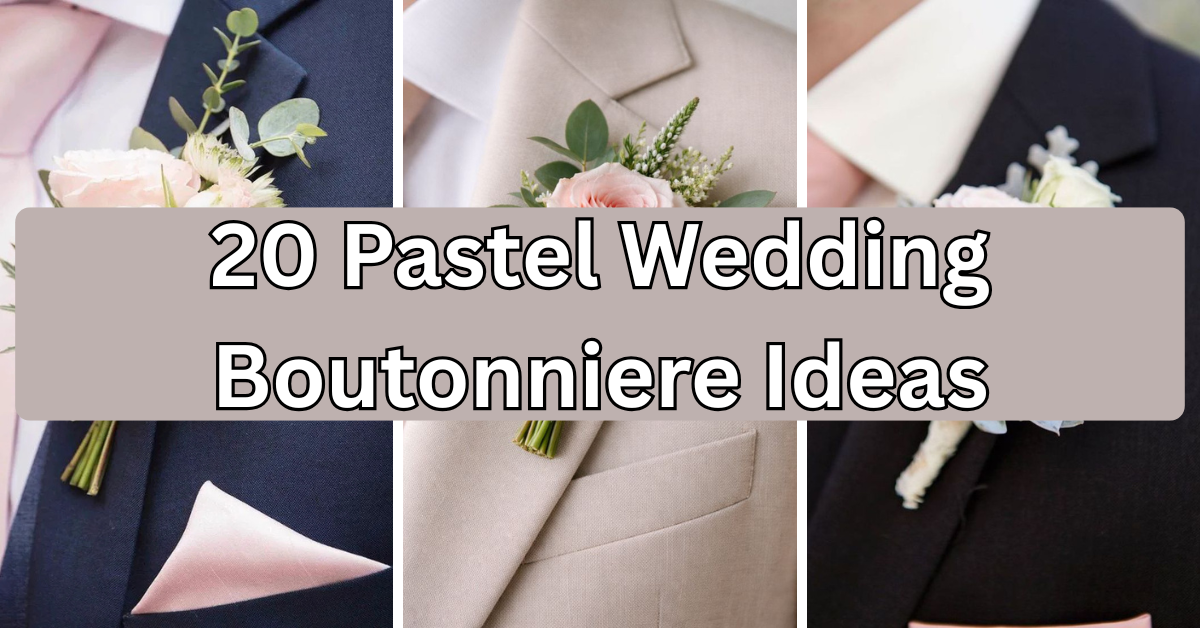
20 Pastel Wedding Boutonniere Ideas That’ll Make Your Groom Squad Look Effortlessly Elegant
I’ve styled enough weddings to know one thing for sure: the pastel wedding boutonniere is the tiny detail that photographers zoom in on again and again, and getting it right changes the whole vibe of your wedding party photos. After years of pinning flowers onto lapels, troubleshooting wilted stems, and matching greenery to bridesmaid dresses, I’ve learned exactly which combinations photograph beautifully and hold up through a full day of hugs, dancing, and “one more picture, please” moments.
So what makes a great pastel wedding boutonniere? The best options pair soft-toned blooms like blush garden roses, lavender sweet peas, or dusty blue delphinium with subtle greenery, kept small enough to sit flat against a lapel without overwhelming a suit. Wire-wrapped stems and floral tape keep them secure for 10+ hours of wear.
Stick around, because I’m walking you through 20 pastel wedding boutonniere ideas, plus real talk on which flowers wilt fast, which ones survive a summer wedding, and how to match them to your actual color palette instead of just picking whatever looks cute on Pinterest.
Why Pastel Boutonnieres Work For Almost Any Wedding Style
Here’s the thing about pastel wedding boutonnieres — they’re basically the chameleon of groom’s accessories. Whether you’re planning a rustic barn wedding, a formal ballroom affair, or a beachy destination ceremony, a soft-hued boutonniere slides right into the aesthetic without fighting for attention. Pastels don’t compete with your bridesmaids’ dresses or your florals down the aisle; they complement them. That’s why I always tell couples: if you’re unsure about boutonniere color, pastel is the safest, most versatile bet you’ll make in your whole planning process.
1. Blush Pink Garden Rose Boutonniere

This one’s a classic for a reason. A single blush garden rose, maybe two if you want more visual weight, wrapped tightly with brown floral tape gives you that romantic, old-world look. It works on nearly every body type of suit fabric — wool, linen, even velvet for winter weddings. Pair it with a sprig of eucalyptus for texture and a thin gold or copper wire wrap for a subtle metallic touch. Best for spring and summer ceremonies, garden venues, and semi-formal receptions. Styling tip: ask your florist to reinforce the stem with wire so it doesn’t droop by the reception. This boutonniere gives soft, romantic, timeless energy — never trendy, always appropriate.
2. Lavender Sweet Pea Boutonniere

Sweet peas have this delicate, almost vintage charm that blush roses can’t quite replicate. Their ruffled petals catch light beautifully in outdoor photos. I recommend clustering three small sweet pea blooms together with a touch of silver dusty miller for contrast. This combo suits garden weddings, spring ceremonies, and bohemian-leaning aesthetics especially well. Because sweet peas are delicate, they’re better for shorter events — think engagement shoots or ceremony-only wear if you’re worried about wilting. Keep them refrigerated until an hour before the ceremony. The overall vibe? Soft, whimsical, a little nostalgic — like something out of an English countryside wedding.
3. Mint Green Eucalyptus & Ranunculus
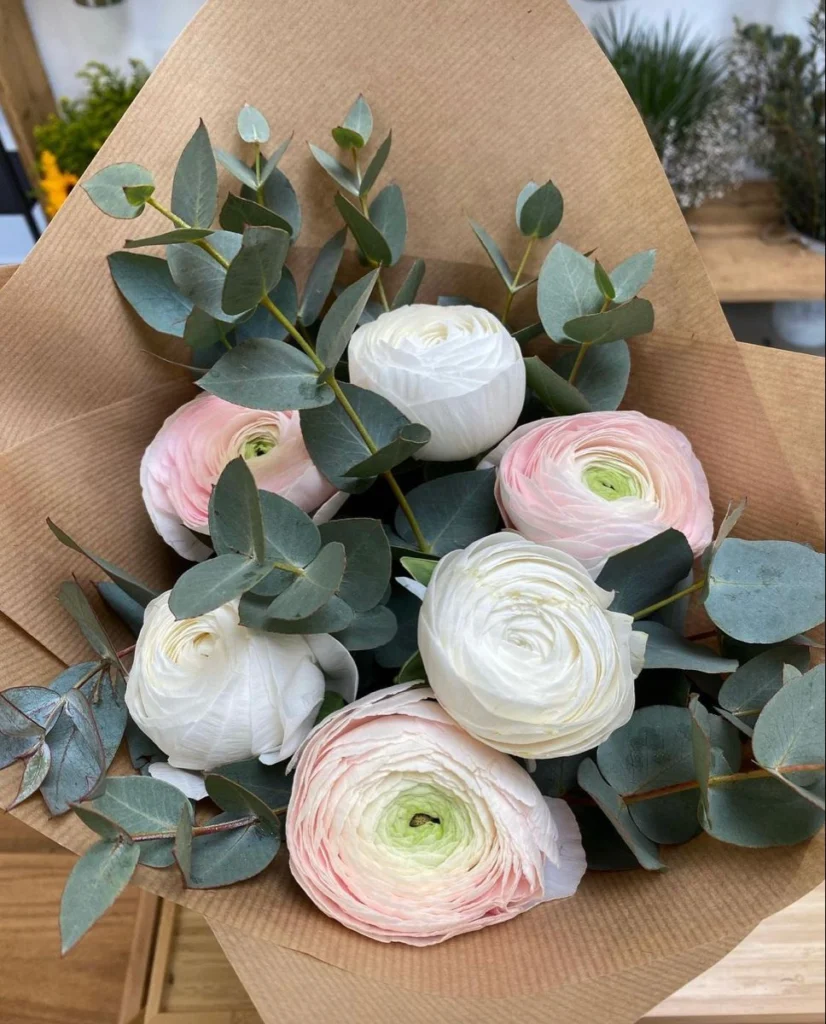
Ranunculus flowers have layers upon layers of petals, giving them a fuller, more “important” look than a simple rose, without going overboard. Pairing a pale mint or seafoam ranunculus with silver-dollar eucalyptus creates a fresh, garden-party feel. This pairing is sturdy enough for outdoor summer weddings and holds up well through several hours of wear. It’s a strong pick for sage green or eucalyptus-heavy wedding palettes. Styling tip: keep the eucalyptus trimmed short so it doesn’t overpower the small ranunculus bloom. This boutonniere brings an effortless, earthy elegance — perfect if your whole wedding leans natural and unfussy.
4. Peach Ranunculus With Baby’s Breath
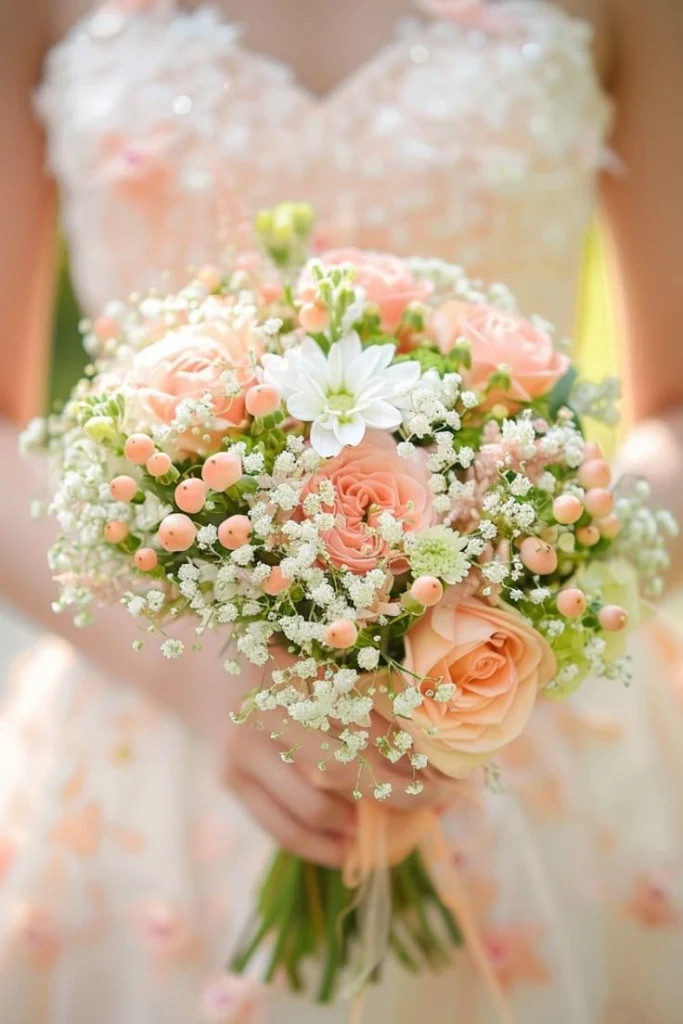
Peach tones are warmer than blush but still soft enough to read as pastel. A peach ranunculus surrounded by a few sprigs of baby’s breath gives texture without clutter. This combination is a favorite for fall pastel weddings, where warmer hues feel seasonally appropriate but still light and airy. It pairs beautifully with tan, rust, or dusty rose bridesmaid dresses. Because baby’s breath is sturdy and long-lasting, this boutonniere holds up well through outdoor receptions and dancing. Styling tip: secure with clear floral wire instead of tape if you want a more minimalist, almost invisible finish. The mood here is soft romance with a hint of warmth.
5. Dusty Blue Delphinium Boutonniere
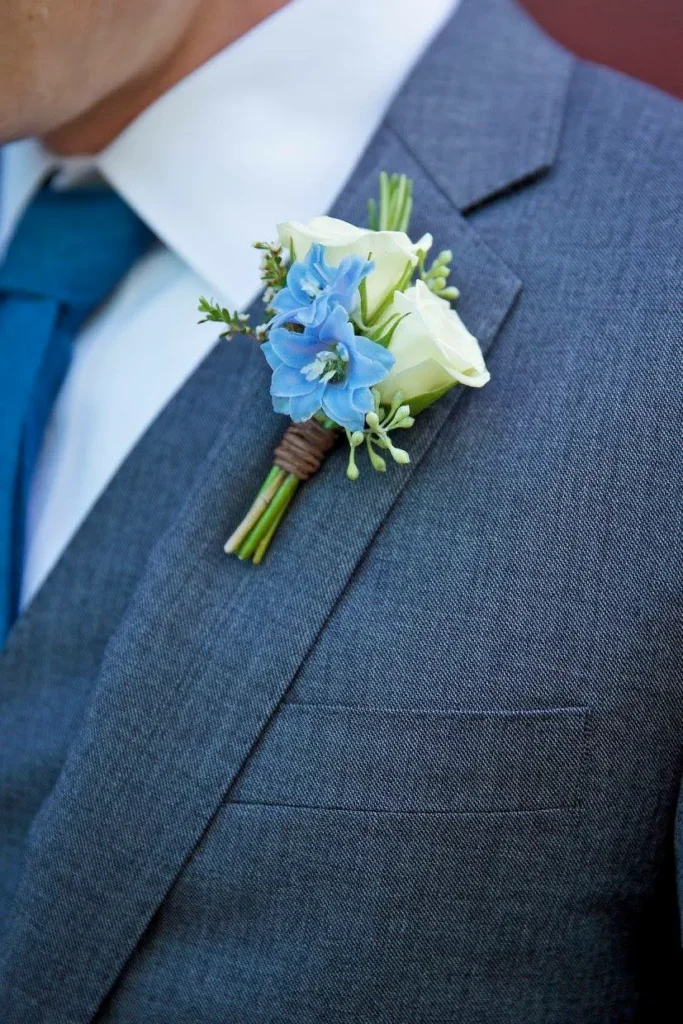
Delphinium gives you that cottage-garden, cascading look in a boutonniere form, and dusty blue is one of the most requested pastel shades for 2024 weddings. Since delphinium stems are naturally slender, they layer well with smaller filler flowers like waxflower. This look is ideal for coastal or nautical-themed weddings, as well as winter weddings paired with navy or charcoal suits. Keep the arrangement compact; delphinium can look messy if left too long. Styling tip: trim stems at a sharp angle right before pinning to help the flower stay hydrated longer. This boutonniere feels cool, calm, and quietly sophisticated.
6. Ivory & Blush Spray Rose Combo
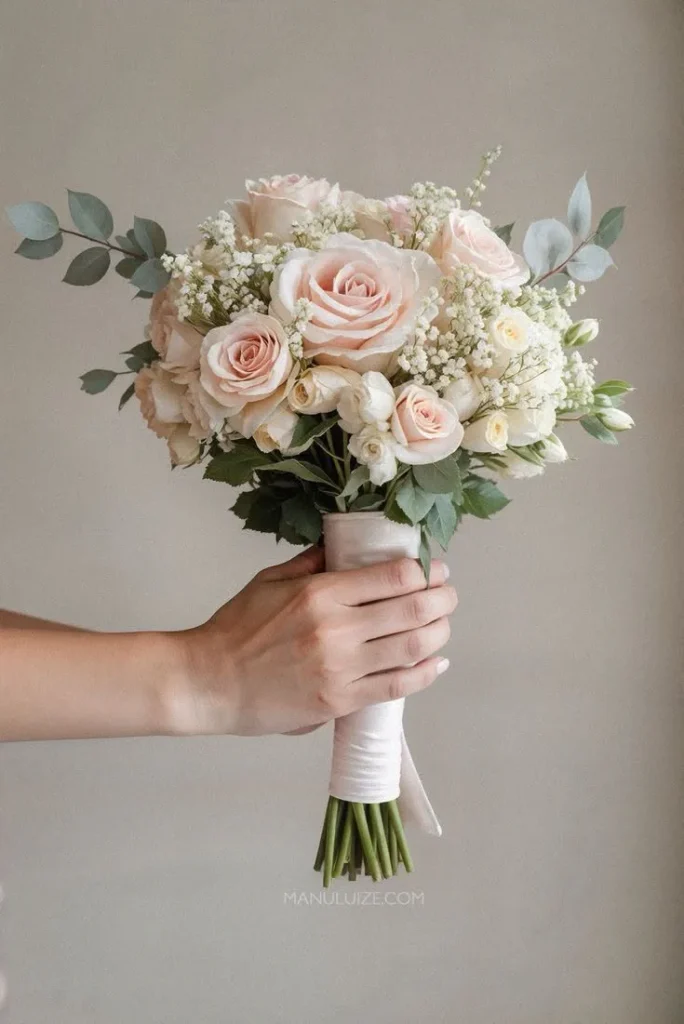
Spray roses are smaller than garden roses but give you multiple blooms per stem, which means fuller-looking boutonnieres without needing several separate flowers. Mixing ivory and blush spray roses creates dimension while staying firmly in pastel territory. This combo works across nearly every wedding style — modern, traditional, rustic, you name it. It’s especially popular for black-tie and ballroom weddings where you want elegance without heaviness. Styling tip: ask for spray roses with tighter buds rather than fully open blooms; they’ll open gradually and look fresh longer throughout the day. This one reads polished, refined, and just a touch romantic.
7. Soft Lilac Freesia Boutonniere
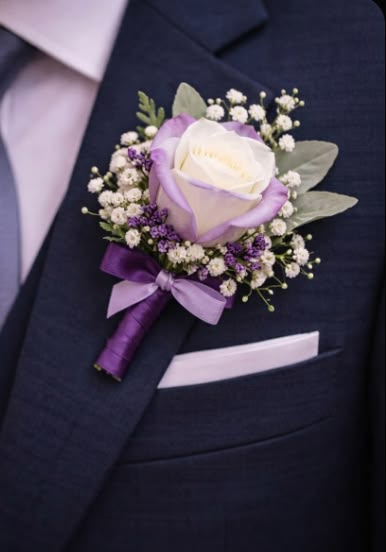
Freesia brings fragrance into the mix, something most boutonnieres skip entirely. A soft lilac freesia stem, trimmed to two or three blooms, adds a sensory element guests won’t forget. This works beautifully for spring weddings and pairs naturally with lavender, plum, or soft purple wedding palettes. Because freesia stems are sturdy, this boutonniere travels well for destination weddings too. Styling tip: freesia can be pricey out of season, so if budget matters, ask your florist about seasonal availability before committing. The overall feeling is fresh, fragrant, and gently romantic — a boutonniere you’ll actually remember the scent of years later.
8. Pale Yellow Billy Ball Boutonniere
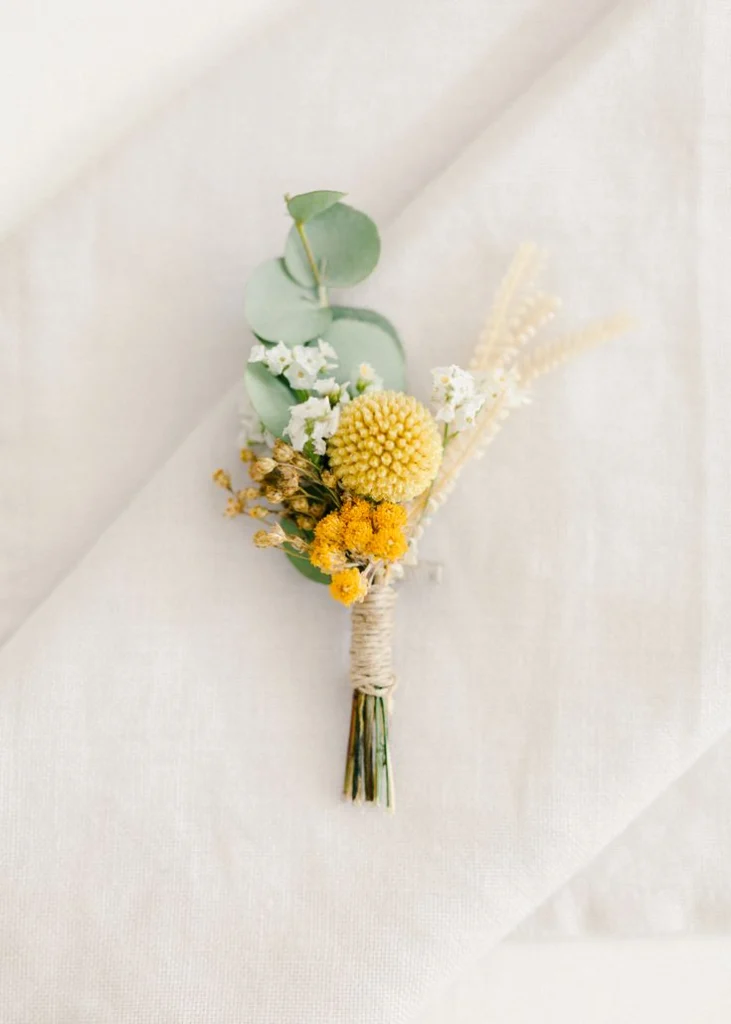
Billy balls (craspedia) aren’t your typical pastel flower, but a pale yellow variety brings playful texture into an otherwise soft palette. Their round, button-like shape contrasts nicely against ruffled petals from roses or ranunculus. This works well for whimsical, garden-party, or bohemian weddings, especially paired with sage or dusty blue accents. Billy balls also dry beautifully, making this a smart choice if you want a keepsake boutonniere afterward. Styling tip: pair just one billy ball with two small filler blooms — too many and it starts looking cartoonish rather than charming. This combination feels fun, fresh, and a little unexpected.
9. Champagne Garden Rose With Greenery
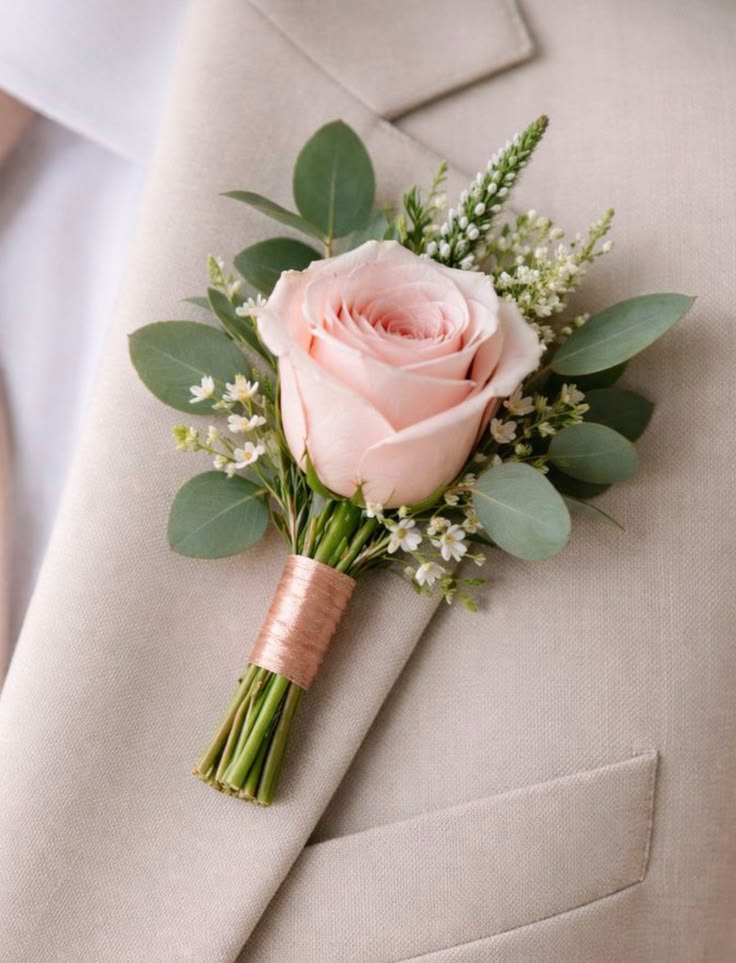
Champagne-toned roses sit right between ivory and blush, and they photograph gorgeously against both light and dark suit fabrics. Paired with a small sprig of rosemary or olive branch, this boutonniere leans elegant but still feels organic. It’s a strong pick for fall and winter weddings, formal receptions, and destination ceremonies where you want something that photographs well in golden-hour light. Styling tip: rosemary adds a subtle fragrance too, which is a nice bonus during long ceremonies. This look reads sophisticated, warm, and quietly luxurious — a favorite among wedding florists for a reason.
10. Powder Blue Hydrangea Boutonniere

Since hydrangea blooms are made up of tiny clustered petals, a single small hydrangea “floret” (not the whole bloom head, which is too big) gives you an incredibly full, textured boutonniere with minimal effort. Powder blue works especially well for summer garden weddings or coastal ceremonies. Because hydrangea wilts faster than roses, this one’s best suited for ceremony wear rather than an all-day event unless refrigerated beforehand. Styling tip: mist the floret lightly with water right before pinning to extend freshness by a few extra hours. The vibe is soft, cloud-like, and dreamy.
11. Blush & Sage Succulent Boutonniere

If you want something that lasts well beyond the wedding day, succulents are the answer. A small blush-tinted echeveria paired with sage-colored foliage gives a modern, textural boutonniere that doesn’t wilt under pressure — literally. This is ideal for rustic, bohemian, or desert-themed weddings, and works great for outdoor summer ceremonies where heat would destroy delicate petals. Styling tip: ask your florist to root the succulent in floral foam picks so guests (or you) can actually plant it after the wedding. This boutonniere feels earthy, modern, and sustainable — plus it becomes a genuine keepsake.
12. Pastel Peony Boutonniere (Spring)

Peonies are notoriously short-season, but if your wedding lands in late spring, a small blush or pale pink peony bud makes for one of the most luxurious-looking boutonnieres on this list. Because full peonies are large, ask your florist for a smaller “boutonniere-sized” bud rather than a full bloom. This works beautifully for garden weddings, spring ceremonies, and romantic, soft-palette receptions. Styling tip: peonies bruise easily, so this boutonniere should be assembled as close to ceremony time as possible. The overall feeling is lush, romantic, and undeniably special.
13. Soft Coral Ranunculus Boutonniere

Coral sits at the warmer end of pastel, making it a great transitional color for late summer or early fall weddings. A soft coral ranunculus paired with a touch of dried lagurus (bunny tail grass) gives texture and softness at once. This pairing works well for beach weddings and warm-weather receptions where deeper jewel tones would feel too heavy. Styling tip: lagurus grass dries out fast, so mist it lightly if the ceremony runs long. This boutonniere feels warm, breezy, and effortlessly stylish.
14. Lavender & Silver Dusty Miller Combo

Dusty miller’s silvery-gray foliage is one of the most underrated boutonniere additions out there. Paired with a lavender bloom — sweet pea, freesia, or even a small rose — it creates contrast that makes the pastel color pop even more. This combo is a favorite for winter and fall weddings, especially with gray or navy suits. Styling tip: dusty miller holds up incredibly well without water, making it a great low-maintenance choice for outdoor or destination weddings. The mood here is elegant, cool-toned, and a little unexpected.
15. Pastel Anemone Boutonniere

Anemones bring striking contrast with their dark centers against pale petals — think soft white or blush petals with a deep black or navy button center. This creates visual interest without needing bold color. It’s a fantastic choice for modern, minimalist weddings and works in nearly every season depending on petal color chosen. Styling tip: anemones are delicate, so this one’s best for ceremony and photos rather than an entire day of wear. The vibe is striking, modern, and slightly edgy despite the pastel palette.
16. Cream & Pink Astilbe Boutonniere
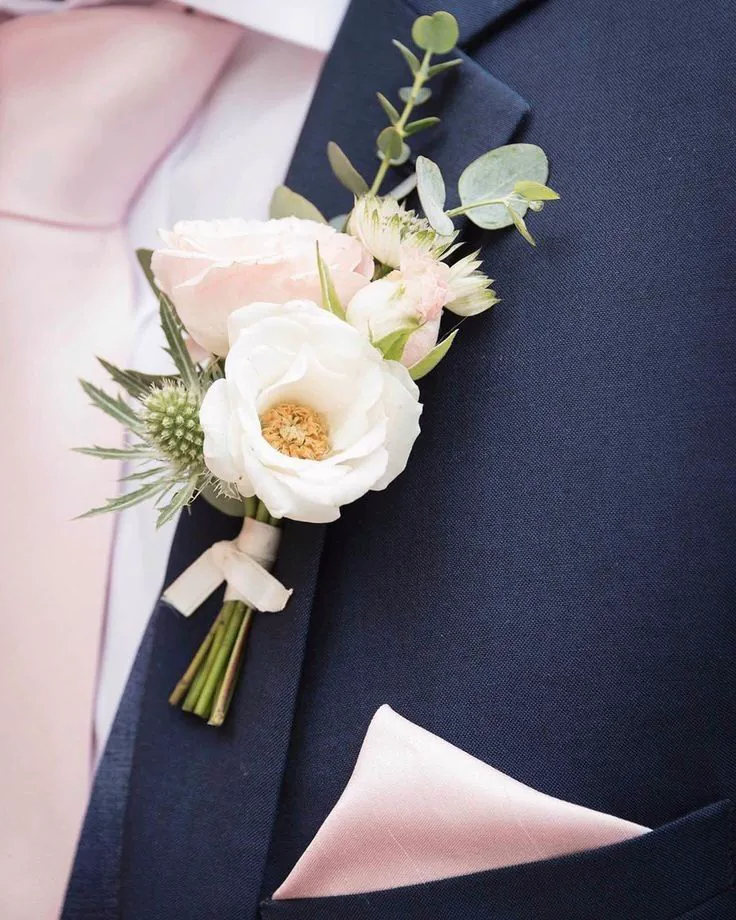
Astilbe’s feathery, plume-like texture adds movement to a boutonniere that flatter flowers can’t achieve. Pairing cream and soft pink astilbe stems creates a wispy, romantic look that’s especially popular for bohemian and garden-style weddings. Because astilbe is delicate, this boutonniere works best for shorter wear times or cooler weather. Styling tip: pair it with a sturdier filler flower underneath for structural support. This one feels soft, whimsical, and a little wild — great for free-spirited couples.
17. Muted Rose Gold Dried Flower Boutonniere
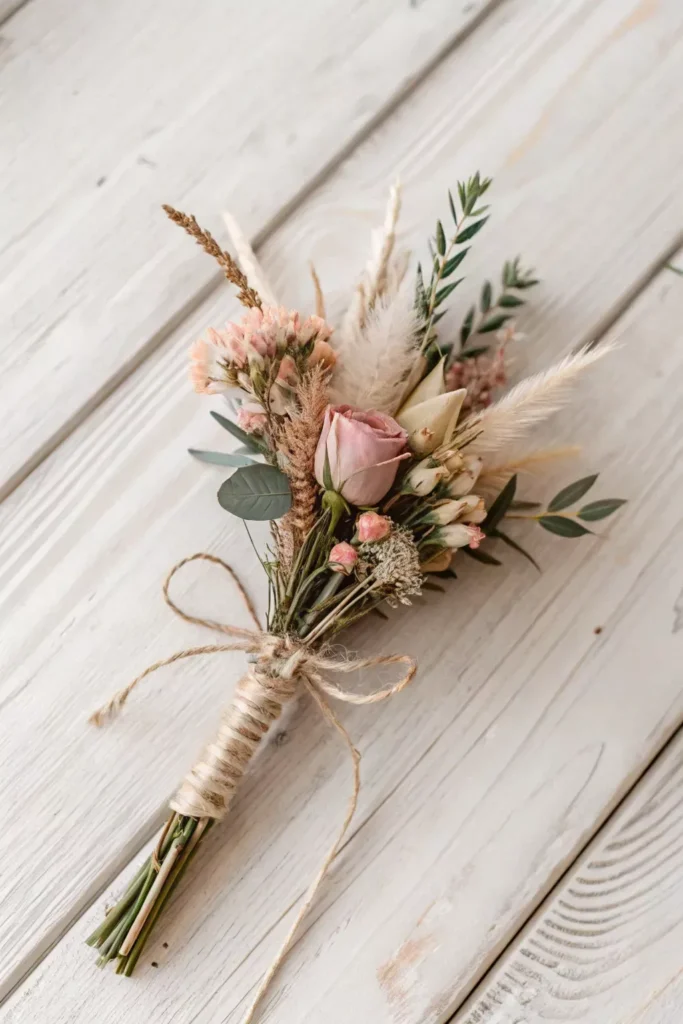
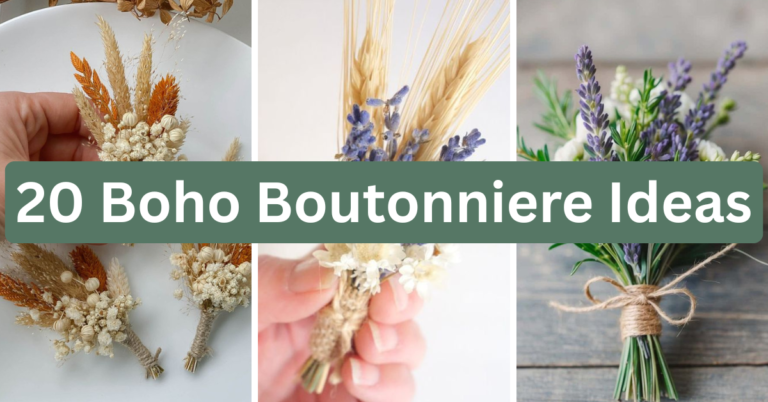
Dried flowers have had a real moment in weddings lately, and for good reason — they last, they’re budget-friendly, and muted rose-gold tones fit the pastel aesthetic perfectly. A combination of dried strawflower, pampas grass tips, and preserved eucalyptus creates a boho, textural boutonniere that guests can keep forever. This works beautifully for fall weddings, rustic venues, and destination ceremonies where fresh flowers might not survive travel. Styling tip: order these boutonnieres weeks in advance since dried arrangements need time to be assembled properly. The overall feeling is rustic, nostalgic, and wonderfully low-maintenance.
18. Icy Blue Thistle Boutonniere (Winter)
For winter weddings, thistle brings texture and a slightly wild, architectural element that softer flowers can’t offer. Paired with icy blue accents like eryngium or silver brunia, this boutonniere feels frosty and elegant without going full “ice queen.” It pairs beautifully with navy, charcoal, or deep green suits. Styling tip: thistle holds up exceptionally well without water, making it ideal for outdoor winter ceremonies where florals are exposed to cold air. This look feels bold yet still soft-toned — moody, elegant, wintry.
19. Pastel Wildflower Meadow Boutonniere
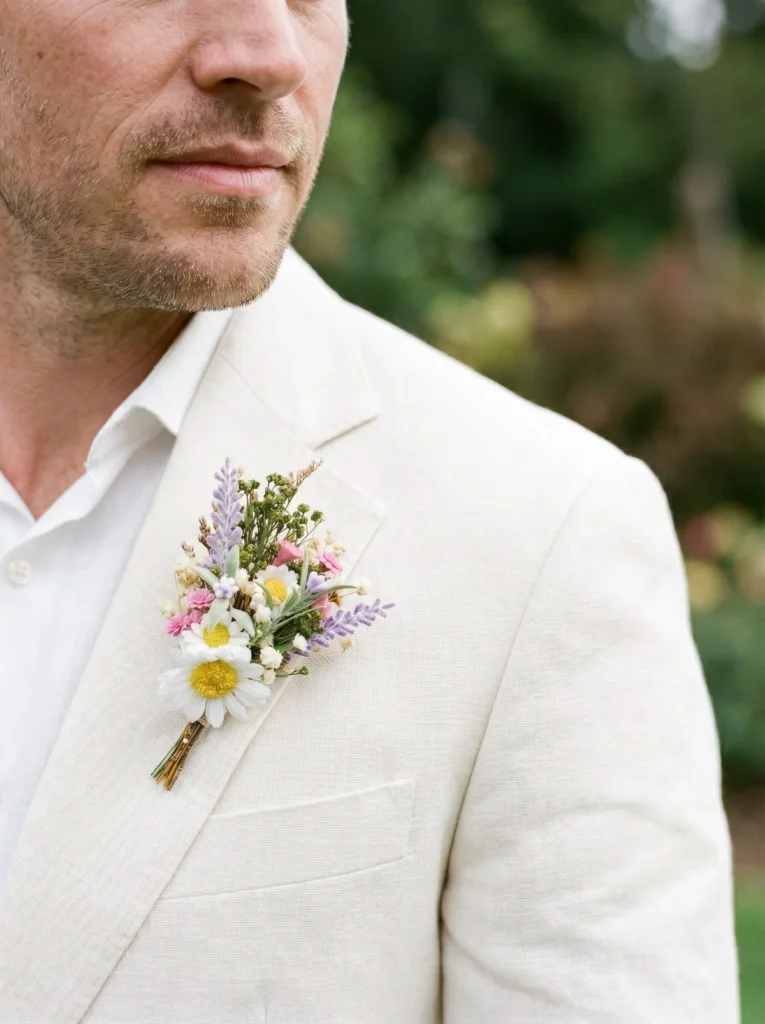
If your wedding has that relaxed, meadow-picnic feel, a mixed cluster of small pastel wildflowers — think cornflower, chamomile, and soft pink cosmos — creates a boutonniere that looks effortlessly gathered rather than formally arranged. This is perfect for outdoor summer weddings, backyard ceremonies, and bohemian aesthetics. Styling tip: keep the cluster asymmetrical rather than perfectly round; it should look like you just picked it from a field. The vibe is carefree, romantic, and refreshingly unstructured.
20. Silk Pastel Fabric Boutonniere (Keepsake Option)
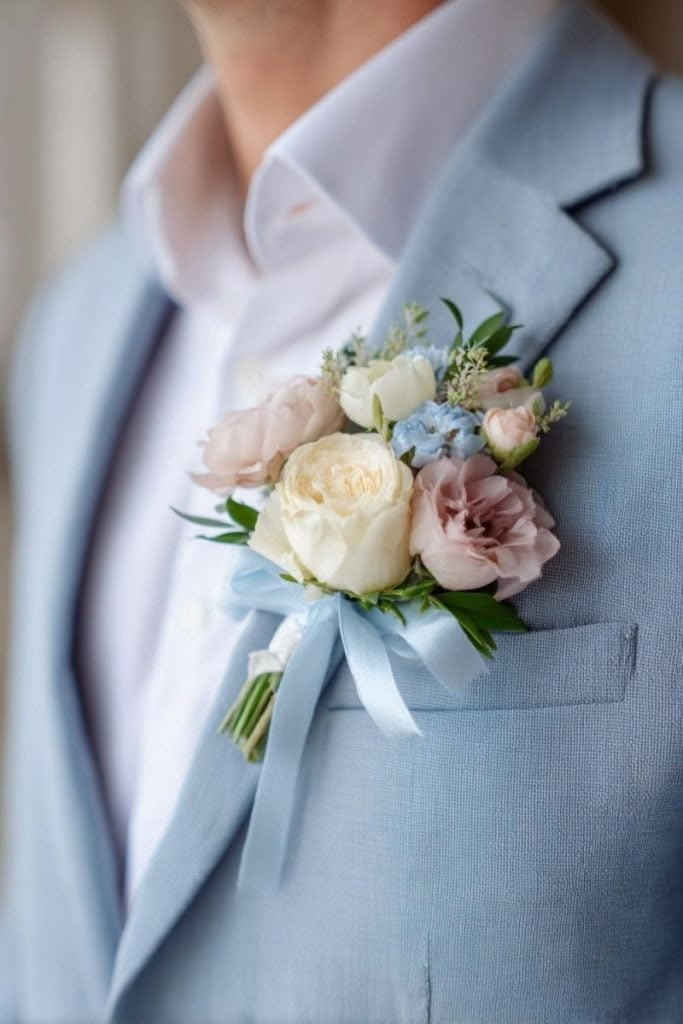
Not every boutonniere needs to be fresh. Silk pastel fabric flowers, crafted to mimic peonies, roses, or ranunculus, are a smart choice for destination weddings, hot climates, or couples who simply want something they can keep forever. These require zero water, zero refrigeration, and zero stress about wilting mid-reception. Styling tip: have these made a few months ahead so you can coordinate the exact shade with your final wedding palette. The overall feeling is practical without sacrificing style — proof that a pastel wedding boutonniere doesn’t have to be fragile to be beautiful.
Pastel Boutonniere Comparison By Season and Venue
| Boutonniere Style | Best Season | Best Venue Type | Wear Duration | Fragrance |
|---|---|---|---|---|
| Blush Garden Rose | Spring/Summer | Garden, Ballroom | 8–10 hrs | Light |
| Lavender Sweet Pea | Spring | Outdoor, Garden | 4–6 hrs | Strong |
| Mint Eucalyptus & Ranunculus | Summer | Outdoor, Rustic | 8–10 hrs | None |
| Dusty Blue Delphinium | Fall/Winter | Coastal, Ballroom | 8–10 hrs | None |
| Blush & Sage Succulent | Summer | Desert, Rustic | 12+ hrs | None |
| Icy Blue Thistle | Winter | Outdoor, Formal | 10–12 hrs | None |
| Silk Fabric Boutonniere | Any Season | Destination, Any | Unlimited | None |
Pastel Boutonniere Comparison By Style and Formality
| Boutonniere Style | Formality Level | Suit Pairing | Groom Style |
|---|---|---|---|
| Champagne Rose & Greenery | Formal | Navy, Charcoal Tux | Classic |
| Muted Rose Gold Dried Flowers | Casual | Tan, Linen | Rustic/Boho |
| Pastel Anemone | Modern | Black Suit | Minimalist |
| Pastel Wildflower Meadow | Casual | Any Light Suit | Bohemian |
| Lavender & Dusty Miller | Semi-Formal | Gray, Navy | Elegant |
Boutonniere Terms Every Bride Should Know
Boutonniere vs. Corsage
: A boutonniere is worn on a lapel by the groom, groomsmen, and fathers; a corsage is worn on the wrist or dress by mothers, grandmothers, and sometimes bridesmaids.
Fresh vs. Preserved
: Fresh boutonnieres use live-cut flowers that last one day; preserved versions use dried or silk flowers designed to last indefinitely as a keepsake.
Filler vs. Focal Flower
: The focal flower is the main bloom (rose, ranunculus, peony); filler refers to smaller accent flowers or greenery like baby’s breath or eucalyptus that add texture without stealing focus.
Wire-Wrapped vs. Taped Stem
: Wire-wrapping gives more shape control and support for heavier blooms, while floral tape offers a cleaner, more traditional finish for lighter stems.
A few quick things to remember when choosing your boutonnieres:
- Order 2–3 extra boutonnieres in case of breakage or last-minute additions to the wedding party.
- Ask your florist about cold storage options if your ceremony and reception are hours apart.
- Match greenery, not just flower color, to your overall floral arrangements for a cohesive look.
- Confirm pinning technique with your florist — magnetic backs are a great no-damage alternative to pins for delicate suit fabrics.
Final Thoughts
Picking the right pastel wedding boutonniere really comes down to matching the flower’s personality to your wedding’s personality — soft and romantic, earthy and rustic, or modern and minimal. I’ve walked you through 20 options here, from delicate sweet peas to long-lasting succulents, so you’ve got real choices based on season, venue, and how long you actually need these things to survive pinned to a lapel.
At the end of the day, whether you go with a classic blush rose or a dried rose-gold cluster your groom can keep in a drawer for years, the goal is the same: a pastel wedding boutonniere that looks effortless in photos and feels right for the two of you.